
Understanding the Costs of Home Generator Installation Costs
- lightningxelectric
- 5 days ago
- 3 min read
Power outages happen. They disrupt daily life. They stop work. They spoil comfort. A home generator solves these problems. But before you buy, you need to understand the costs involved. This guide breaks down the expenses. It helps you plan your budget. It shows you what to expect. Let’s dive in.
What Drives Home Generator Installation Costs?
Several factors influence the total cost of installing a home generator. Knowing these helps you make smart choices.
Generator Size and Power Output
Bigger generators cost more. They provide more power. Smaller units are cheaper but may not cover your whole home.
Fuel Type
Generators run on natural gas, propane, or diesel. Each fuel type affects price and operating costs differently.
Installation Complexity
The ease of installation varies. If your home’s electrical system is outdated, expect higher labor costs.
Permits and Inspections
Local regulations require permits. These add to the cost but ensure safety and compliance.
Transfer Switch
This device switches power from the grid to the generator. It’s essential and adds to the price.
Location and Accessibility
Where the generator is installed matters. Hard-to-reach spots increase labor time and cost.
Understanding these factors helps you anticipate expenses. It also guides you in choosing the right generator for your needs.
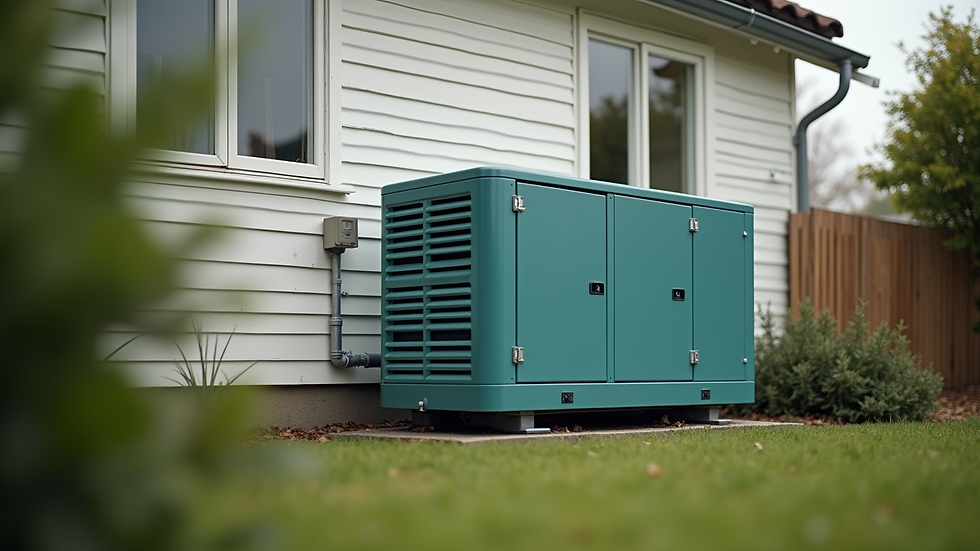
Breaking Down Home Generator Installation Costs
Let’s look at typical costs you can expect.
Generator Unit
Prices range from $2,000 to $10,000 or more. Small portable units are on the low end. Whole-house standby generators are on the high end.
Installation Labor
Labor costs vary between $500 and $2,500. This depends on complexity and local labor rates.
Transfer Switch
A transfer switch costs between $500 and $1,500. It’s a necessary component for safe operation.
Permits and Inspection Fees
These usually cost $100 to $500. They vary by city and county.
Additional Materials
Wiring, conduit, and mounting hardware add $200 to $1,000.
In total, expect to pay between $5,000 and $15,000 for a complete home generator installation. This range covers most typical installations.
If you want a detailed estimate, check out this resource on how much to install a home generator.
How much is a generator for a 2000 sq ft house?
A 2000 sq ft house needs a generator that can power essential systems. This usually means a 10kW to 20kW unit.
Generator Cost
For this size, expect to pay $3,000 to $7,000 for the generator itself.
Installation and Accessories
Add $3,000 to $6,000 for installation, transfer switch, and permits.
Total Cost Range
The full cost typically falls between $6,000 and $13,000.
This size generator covers heating, cooling, lighting, and appliances. It keeps your home running smoothly during outages.

Tips to Manage and Reduce Costs
You can control costs with smart planning.
Choose the Right Size
Don’t overspend on a generator that’s too large. Calculate your power needs carefully.
Compare Fuel Options
Natural gas is often cheaper and more convenient if available. Propane offers portability but can be pricier.
Get Multiple Quotes
Contact several licensed electricians. Compare prices and services.
Plan for Future Needs
If you plan to add circuits or appliances, consider a slightly larger generator now.
Schedule Installation Off-Season
Some contractors offer discounts during slower months.
Maintain Your Generator
Regular maintenance extends life and prevents costly repairs.
Following these tips helps you get the best value for your investment.
Why Professional Installation Matters
Installing a home generator is not a DIY job. It involves electrical work and fuel connections. Mistakes can be dangerous and costly.
Safety
Professionals ensure safe wiring and fuel handling.
Code Compliance
Licensed electricians follow local codes and pass inspections.
Warranty Protection
Many manufacturers require professional installation to keep warranties valid.
Reliable Operation
Proper installation means your generator will work when you need it most.
Hiring a trusted professional guarantees peace of mind and long-term reliability.
Planning Your Home Generator Investment
A home generator is a valuable asset. It protects your home and family. It adds comfort and security.
Budget Wisely
Factor in all costs: unit, installation, permits, and maintenance.
Research Options
Understand features and fuel types.
Consult Experts
Talk to electricians about your home’s specific needs.
Prepare for Emergencies
A generator is an investment in resilience.
By planning carefully, you ensure your generator meets your needs without surprises.
Investing in a home generator is smart. It keeps your home powered through outages. It protects your lifestyle. Understanding the costs helps you make informed decisions. Use this guide to plan your purchase and installation. Stay prepared. Stay powered.


Comments